 Belgrade, Serbia
 info@alu-pvcbogdanovic.rs
 Mon – Fri: 08 AM – 04 PM
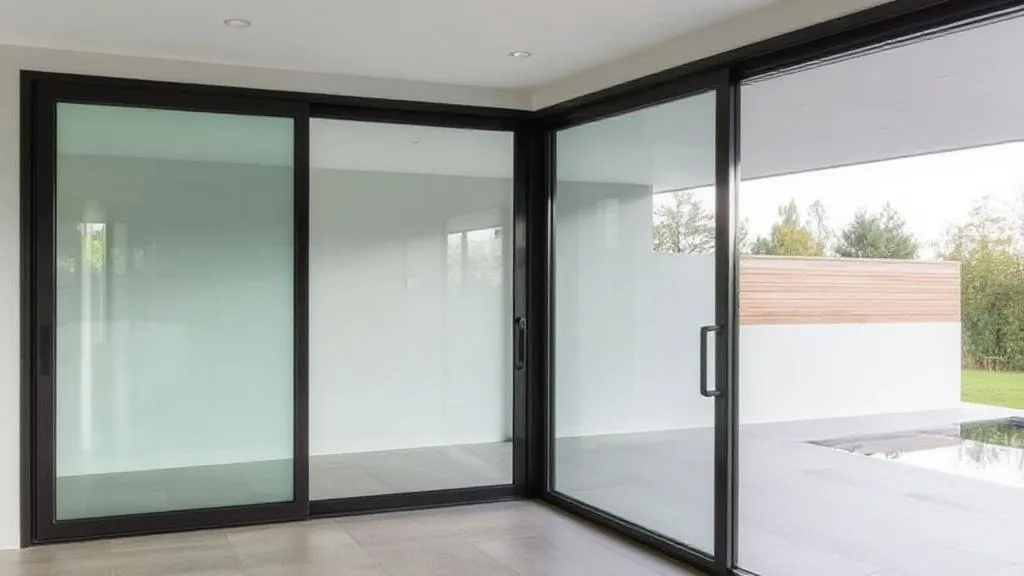
Sliding glass systems by space purpose
Sliding glass systems are used in various types of buildings thanks to their flexibility, aesthetic neutrality, and functionality. Depending on the type of space—commercial, residential, outdoor, or wellness—tailored systems are applied to meet specific technical and visual requirements. Below are the most common types of sliding systems by intended use.
By selecting the appropriate sliding glass system according to the intended use of the space, maximum functionality, durability, and aesthetic harmony are achieved. Whether for a commercial building, family home, open terrace, or wellness area, there are technically and design-adapted solutions for every requirement. Consultation with a professional contractor and custom project planning ensure optimal results and long-term system performance.
Sliding systems for commercial spaces
In offices, corporate environments, and public institutions, sliding systems enable functional organization without closing off space or losing natural light. By using acoustic glass and soft-close mechanisms, privacy and working comfort are ensured.
- Partitioning office zones
- Sliding doors for conference rooms
- Transparent partitions for receptions and corridors
- Fixed-sliding combinations with acoustic protection
Sliding systems for apartments and houses
In residential buildings, sliding glass systems are used to divide spaces, visually open interiors, and maximize daylight. They are especially useful in smaller apartments and open-plan layouts where flexibility is required.
- Sliding doors between the kitchen and living room
- Glass partitions in hallways and bathrooms
- Frameless systems for contemporary design
- Possibility to combine with curtains or blinds
Sliding systems for terraces and balconies
For outdoor applications such as terraces, loggias, balconies, and garden areas, weather-resistant sliding glass systems are used. The goal is protection from wind and precipitation while preserving openness and views.
- Sliding glass walls with waterproof systems
- Multi-panel systems with side stacking
- Profiles with drainage and rubber seals
- Ability to enclose terraces without loss of natural light
Sliding systems for wellness and SPA areas
In facilities such as SPA centers, pools, and wellness zones, sliding glass systems allow separation of wet and dry areas with easy maintenance and moisture resistance. They also visually connect spaces and enable climate control.
- Sliding doors for shower and sauna zones
- Glass partitions between pools and changing rooms
- Use of tempered and laminated moisture-resistant glass
- Possibility of integration into ventilation and heating systems