 Belgrade, Serbia
 info@alu-pvcbogdanovic.rs
 Mon – Fri: 08 AM – 04 PM


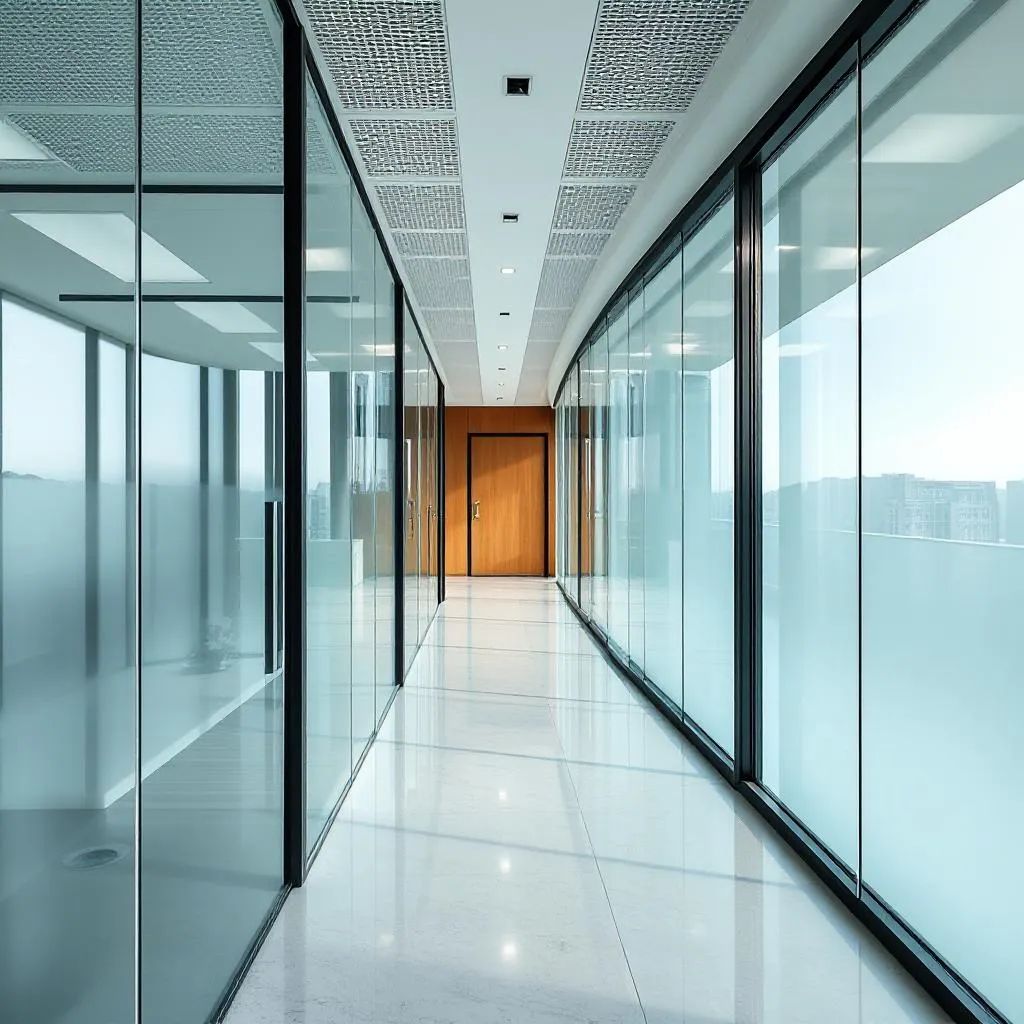
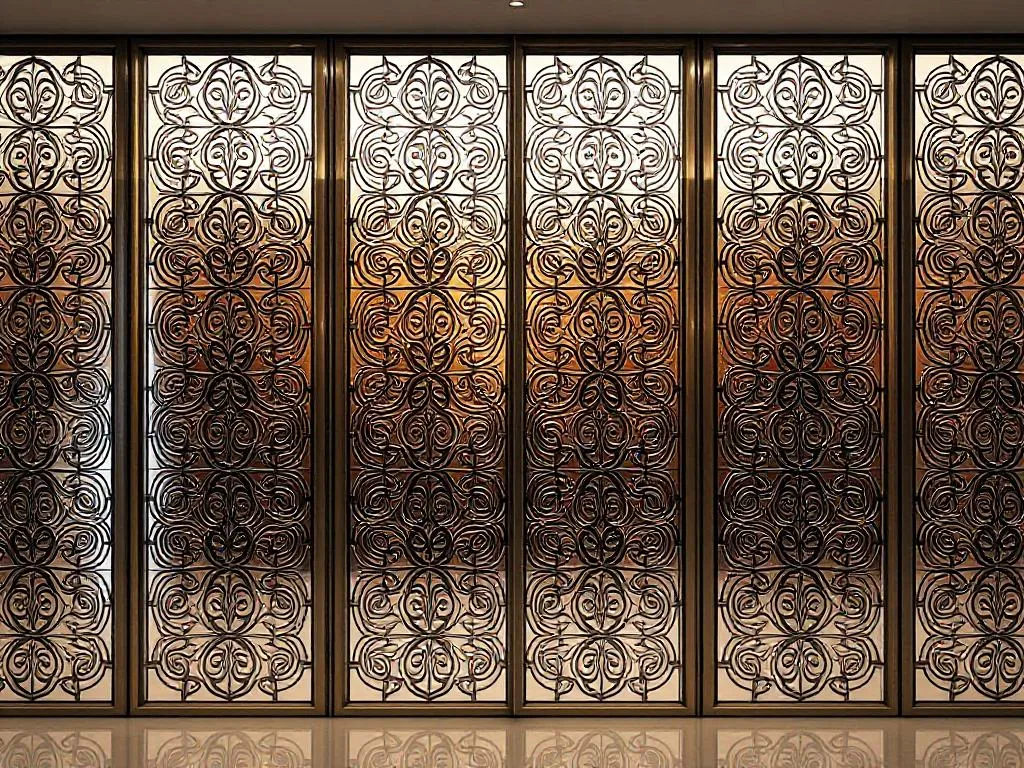
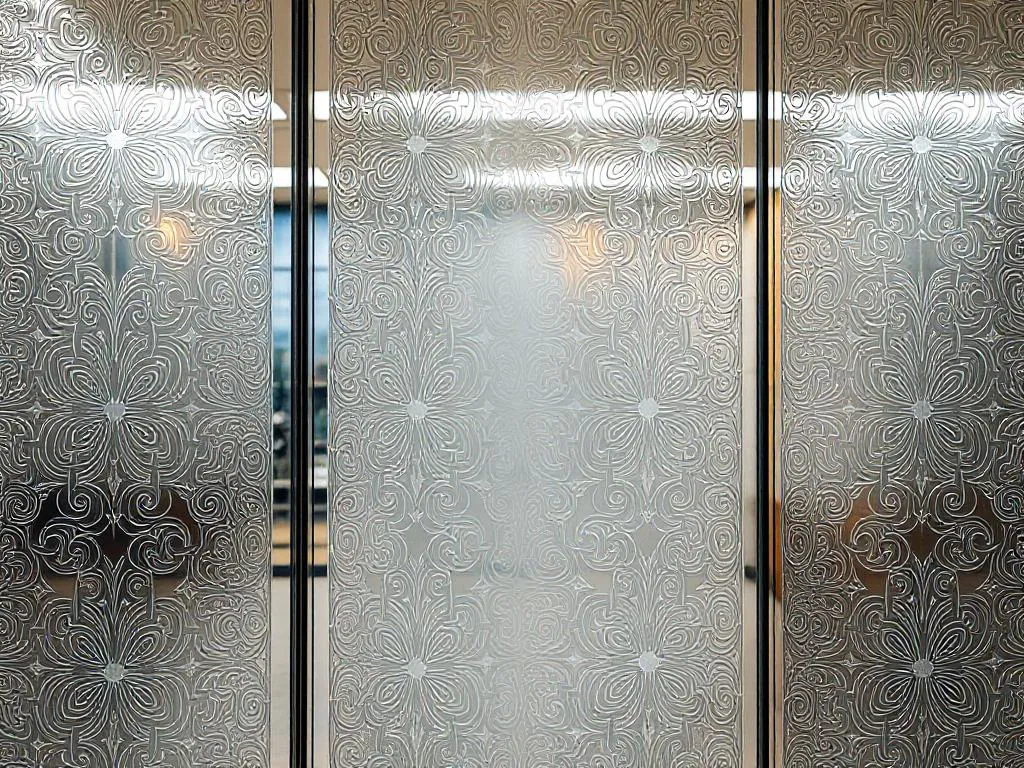
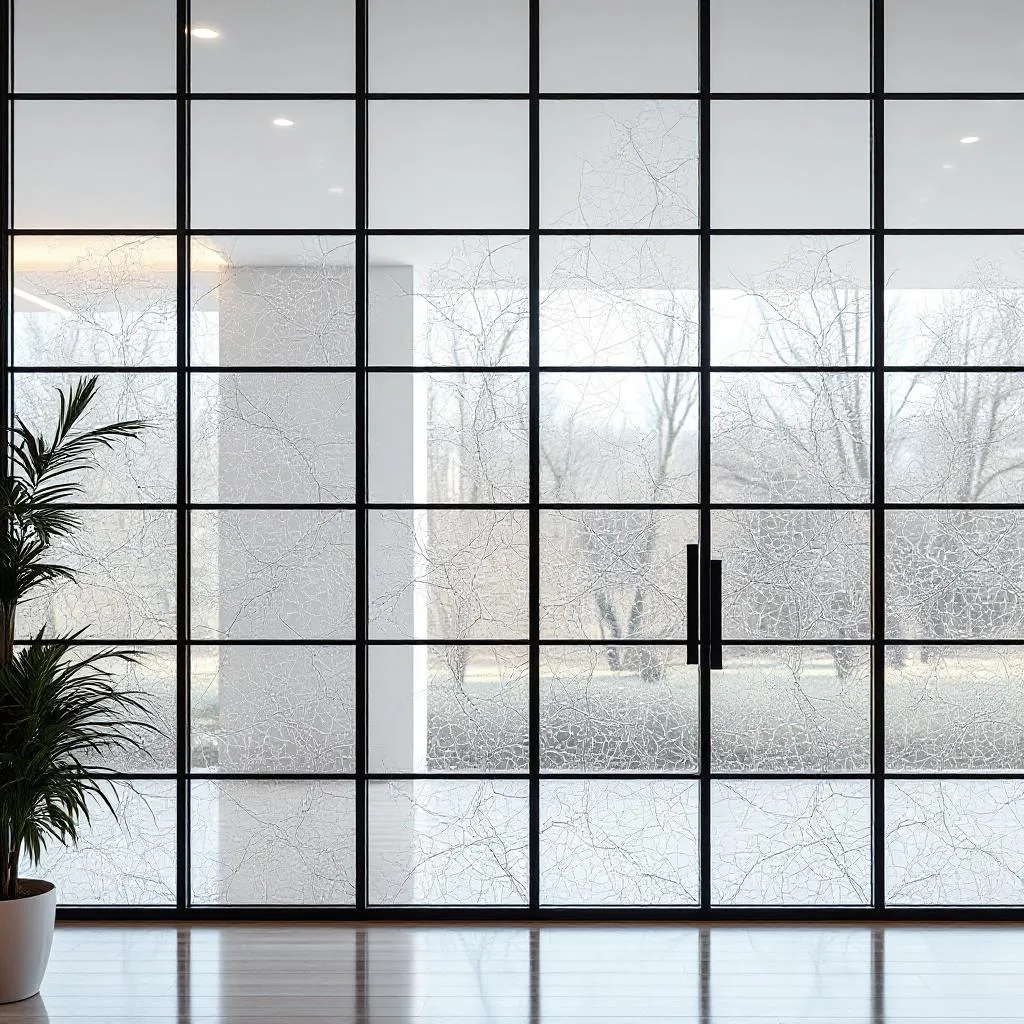
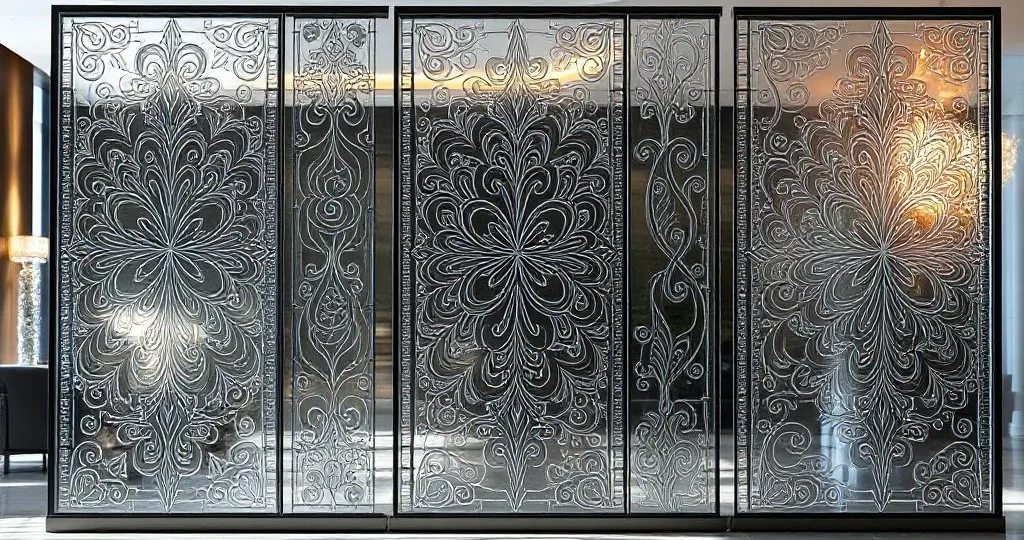
Glass panels – functionality and application in modern spaces
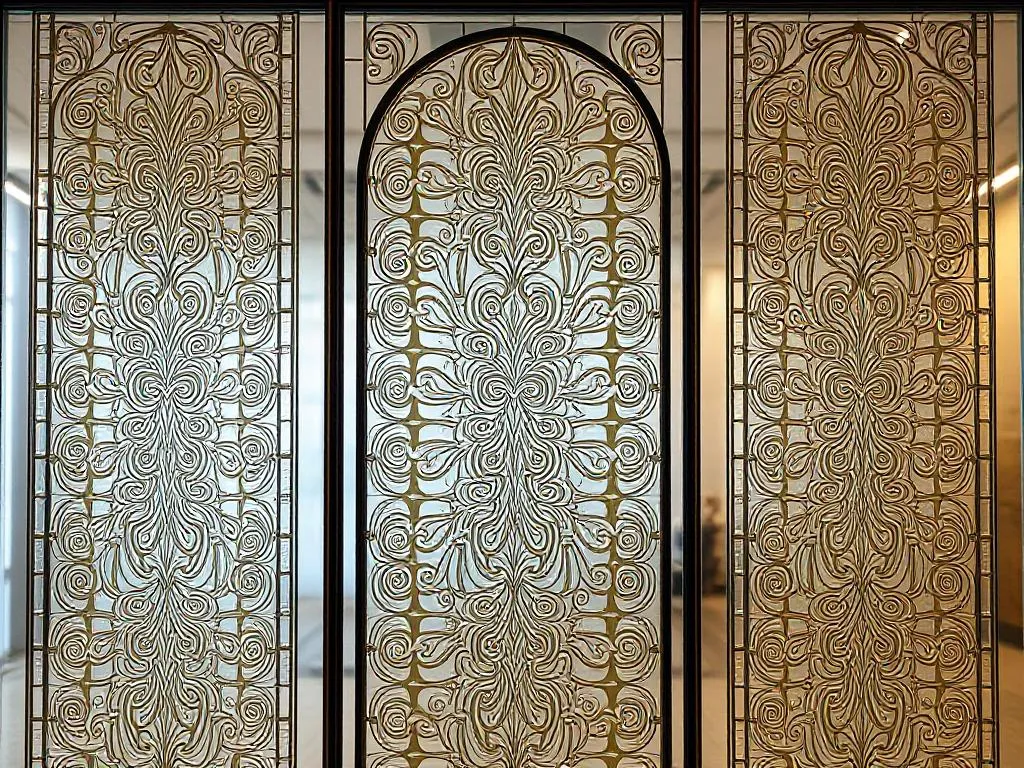
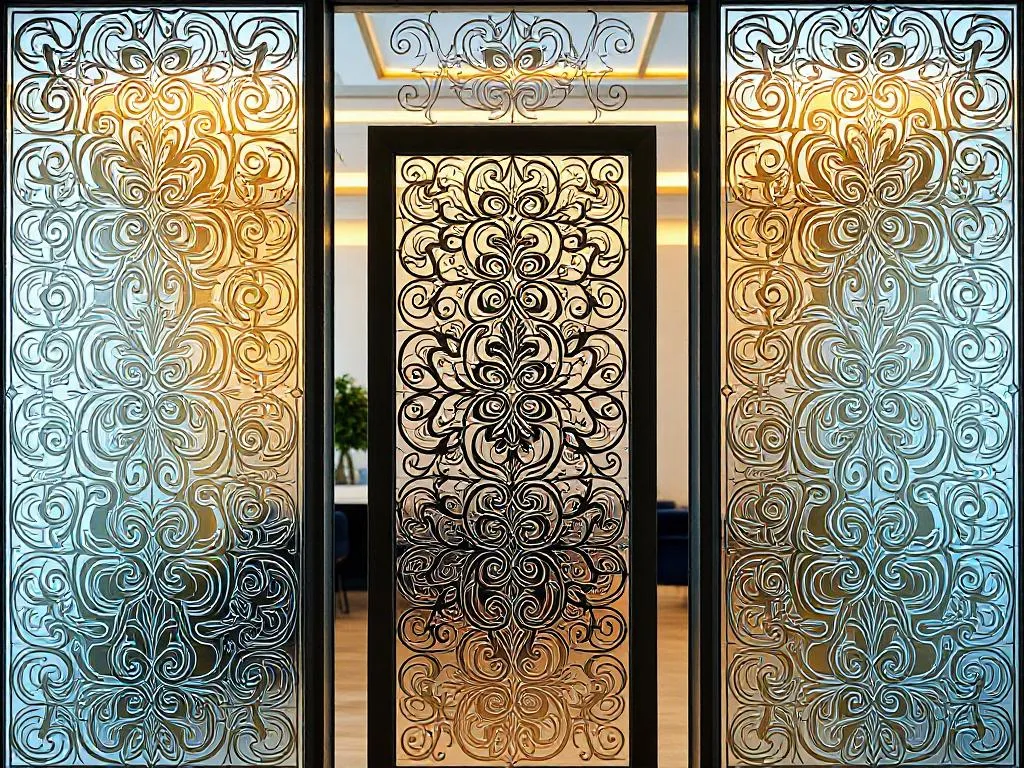
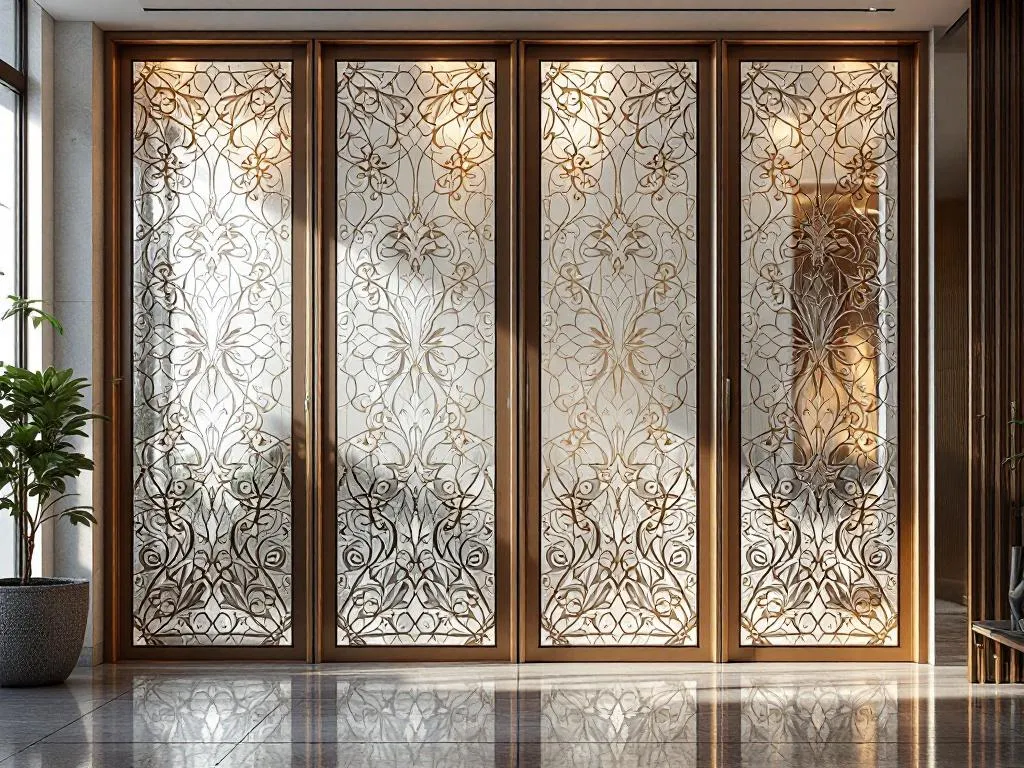
Glass panels are flat, processed glass surfaces used as decorative or protective elements in interior and exterior spaces. They can be transparent, matte, colored, sandblasted, or printed. Their function depends on the context of use – from aesthetics to surface protection. Glass panels are made of safety glass that is additionally processed to achieve the required strength, durability, and visual effect.
Types of glass panels
- Decorative glass panels
- Functional (protective) glass panels
- Tempered glass panels
- Laminated glass panels
- Sandblasted and printed panels
Decorative glass panels
Decorative glass panels are used to achieve an aesthetic effect in a space. They can be printed, mass-colored, matte, or with relief textures. These panels are often used as wall coverings in kitchens, bathrooms, receptions, and offices.
- Add color and design to the space
- Easy to clean and maintain
- Resistant to moisture and heat
- Allow customization (e.g. company logo, patterns, images)
Functional glass panels
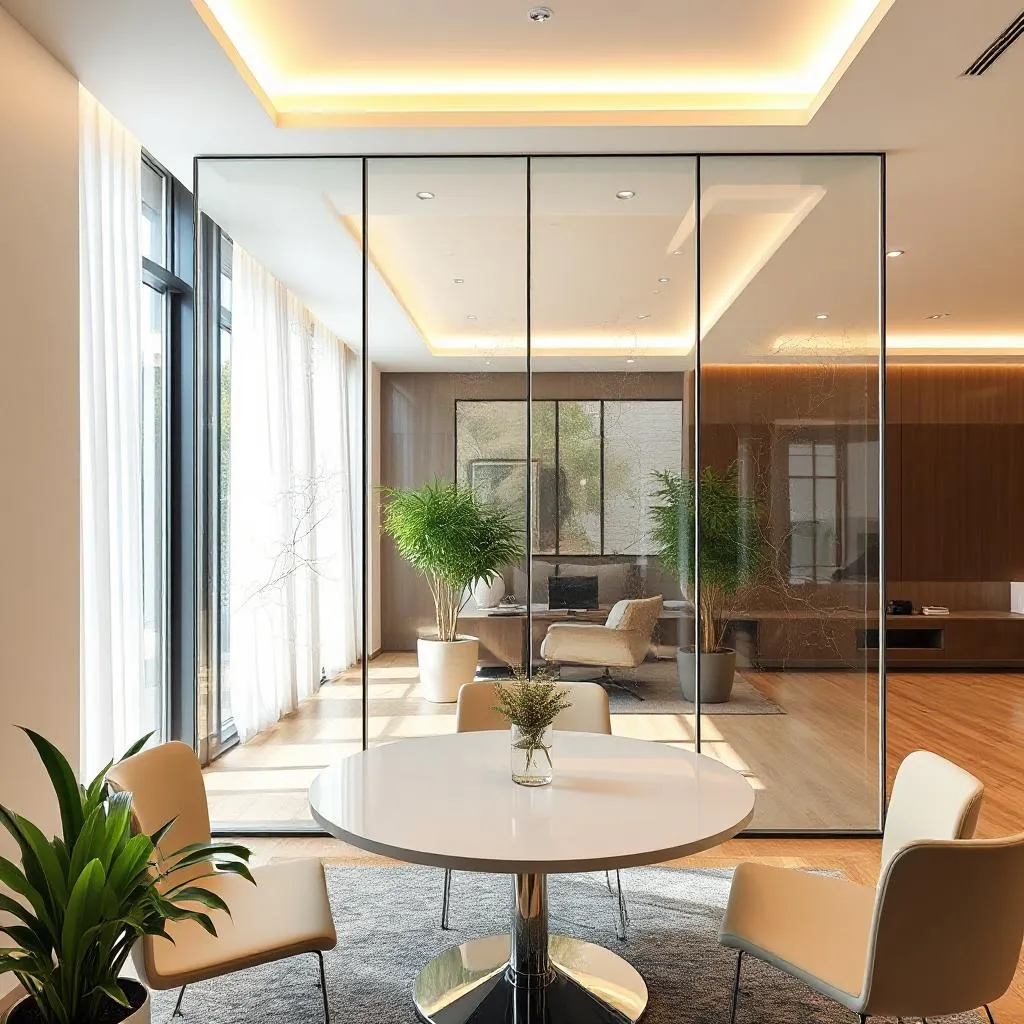
This type of panel is used as a protective layer on walls, furniture, or appliances. They are often installed in kitchens as splash protection behind cooktops, or as partitions in commercial spaces. They are usually transparent or lightly tinted, and their main purpose is physical protection and hygiene.
- Resistant to moisture and chemicals
- Do not absorb odors and do not discolor
- Ideal for spaces with high hygiene requirements
Technical processing and production of glass panels
Glass panels are produced from tempered (thermally strengthened) or laminated glass, depending on project requirements. Tempered glass has increased mechanical resistance and breaks into safe fragments. Laminated glass consists of two or more layers bonded with a PVB film that prevents scattering when broken. Final processing may include edge polishing, drilling, and applying colors or films.
- Panel thickness typically ranges from 4 mm to 10 mm
- Possible processing: grinding, polishing, UV printing, sandblasting
- Installation is carried out using brackets, aluminum profiles, or adhesive
Use of glass panels in interiors
Glass panels are widely used in private and public buildings due to their practicality and durability. They are most commonly installed in kitchens, bathrooms, offices, halls, and as furniture cladding.
- Kitchens – wall cladding behind work surfaces
- Bathrooms – wall cladding and protection in shower areas
- Offices – decorative and presentation surfaces
- Retail spaces – backgrounds and wall applications
Advantages of glass panels
- Aesthetically neutral and modern
- High level of hygiene and easy maintenance
- Durable and wear-resistant
- Customization options
- Fast and clean installation
Maintenance and longevity
Glass panels are very easy to maintain. Cleaning with a glass cleaner and a soft cloth is sufficient. Tempered glass does not change shape even under heat, while laminated panels retain safety properties even when damaged. Thanks to the smooth surface, they do not retain dirt or bacteria.
Glass panels are a multifunctional element of modern interiors. They combine aesthetics, easy maintenance, and long service life. Thanks to a wide range of processing, color, and thickness options, they can be fully adapted to any space and purpose – both in residential and commercial environments.