 Belgrade, Serbia
 info@alu-pvcbogdanovic.rs
 Mon – Fri: 08 AM – 04 PM


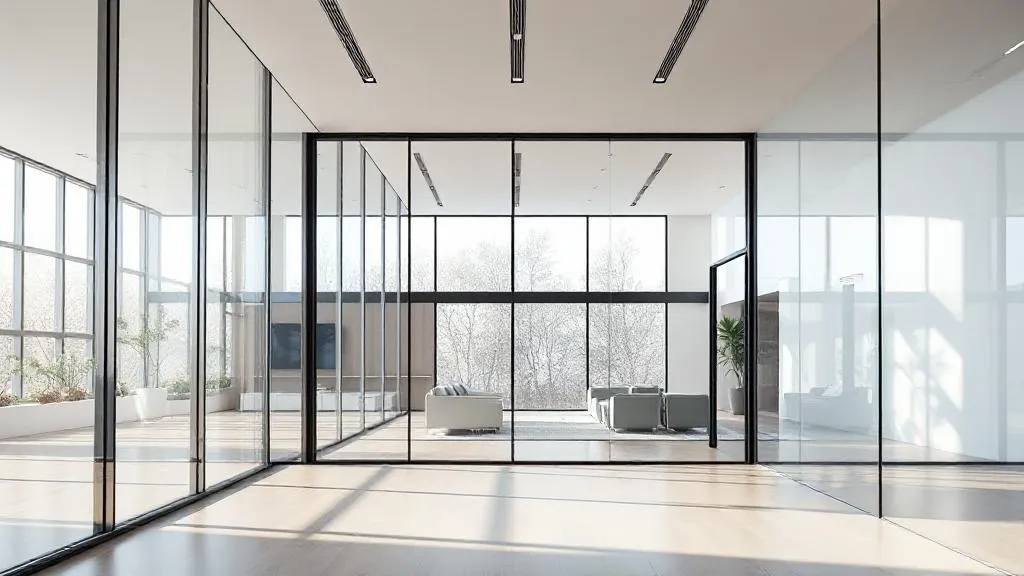
Glass systems – structural solutions for modern spaces
Glass systems represent complete technical and structural assemblies that enable the installation of glass surfaces in interiors and exteriors. They include glass, aluminum or steel profiles, fittings, tracks, sealing strips, and mounting elements. The purpose of glass systems is to ensure functionality, stability, insulation, and an aesthetic appearance in line with the project.
Characteristics of glass systems
- Structural stability and safety
- Ability to combine sliding, folding, and fixed elements
- Flexibility in dimensions, colors, and glass types
- Application in interiors and exteriors
- Possibility of integration with automation (e.g. automatic doors)
Application of glass systems
Glass systems are used in office buildings, retail spaces, private houses, hotels, restaurants, galleries, and other areas where transparency, protection, and a modern appearance are required.
- Glass facade walls
- Office partition walls
- Sliding systems for terraces and gardens
- Glass partitions in SPA and wellness areas
- Interior glass sliding and swing partitions
Aluminum-glass systems
Aluminum-glass systems are technical solutions in which aluminum profiles form the main load-bearing structure for glass panels. These systems provide high strength, weather resistance, and long service life. They are most commonly used in external glass facades, shopfronts, office buildings, and shopping centers.
- High load capacity and resistance to deformation
- Thermal breaks for improved energy efficiency
- Various installation options: semi-structural, structural, visible, and concealed
- Possibility of operable elements (e.g. windows, doors, ventilation units)
Minimal profiles
Minimal profiles refer to systems with very slim and discreet frames. The goal is to achieve maximum glass surface with minimal visual obstruction. These systems are used where aesthetics are essential and where light and openness are emphasized.
- Profile width often less than 20 mm
- Increased amount of natural light
- Commonly used for panoramic sliding doors and windows
- Possibility of fully recessed systems (profiles hidden in walls, floors, or ceilings)
Frameless walls
Frameless walls are glass surfaces without visible supports or frames at the joints. This enables a completely clean and visually neutral appearance, with glass elements bonded using UV adhesive, metal connectors, or minimal technical profiles in floors and ceilings.
- Elegant visual continuity without interruptions
- Application in luxury interiors, museums, galleries, and modern homes
- Possibility of combination with sliding doors and panels
- Precisely processed glass, often with polished edges
Types of glass used in systems
Various types of safety glass are used in the construction of glass systems depending on the purpose and project requirements.
- Tempered (thermally treated) glass
- Laminated glass with PVB or EVA interlayers
- Triple-glazed insulating glass (for facades)
- Glass with UV protection or low-emissivity coatings
- Acoustic glass for sound insulation
Installation of glass systems
Installation of glass systems requires precise measurements and specialized tools. Profile systems can be recessed, surface-mounted, or fully concealed. Installation is carried out according to manufacturer technical specifications using certified fittings, connectors, and seals.
- Use of specialized brackets, connectors, and leveling systems
- Protection of glass during installation using protective films
- Sealing with silicone and EPDM gaskets
- Compliance with installation tolerances and structural requirements
Advantages of glass systems
- Transparency and natural light
- Aesthetic simplicity and clean design
- Flexibility in configuration and dimensions
- Compatibility with contemporary architecture
- Resistance to moisture, corrosion, and UV radiation
Conclusion
Glass systems represent a modern construction approach that combines transparency, stability, and aesthetics. They are used in private, commercial, and public buildings. They differ by construction type, glass thickness, and profile system, and their selection depends on space usage, required insulation, and design demands. Properly selected and professionally installed glass systems provide a durable, functional, and visually high-value solution.